Birth Injury Lawyer Near Me: Proving Medical Negligence in Oxygen Deprivation Cases sets the stage for this compelling narrative, offering readers a detailed insight into a story rich with information and originality.
Exploring the impact of oxygen deprivation on newborns and the legal aspects surrounding medical negligence in birth injury cases unveils a complex yet crucial topic that requires expertise and understanding.
Understanding Birth Injuries in Oxygen Deprivation Cases
Birth injuries caused by oxygen deprivation during childbirth are a serious concern that can have long-lasting effects on newborns. When a baby does not receive an adequate supply of oxygen during labor and delivery, it can lead to a range of medical conditions that may impact their health and development.
Impact of Oxygen Deprivation on Newborns
- Oxygen deprivation during birth can result in brain damage, leading to conditions such as cerebral palsy.
- It can also cause developmental delays, intellectual disabilities, and physical impairments in newborns.
- In severe cases, oxygen deprivation can even be fatal for the infant.
Common Medical Conditions Resulting from Birth Injuries
- Cerebral Palsy: A neurological disorder that affects movement and muscle coordination.
- Hypoxic-Ischemic Encephalopathy (HIE): Brain injury caused by oxygen deprivation and reduced blood flow to the brain.
- Developmental Delays: Delays in reaching developmental milestones due to brain damage from oxygen deprivation.
- Hearing or Vision Loss: Damage to the sensory organs as a result of oxygen deprivation during birth.
Legal Aspects of Medical Negligence in Birth Injury Cases
Medical negligence in the context of birth injury cases refers to the failure of healthcare providers to provide a standard level of care during pregnancy, labor, or delivery, resulting in harm to the newborn or mother.
Examples of Medical Negligence Leading to Oxygen Deprivation
- Failure to monitor fetal distress signs during labor.
- Delayed C-section despite clear signs of fetal distress.
- Incorrect administration of medication leading to decreased oxygen supply to the fetus.
Criteria for Proving Medical Negligence in Birth Injury Cases Related to Oxygen Deprivation
- Evidence of a duty of care owed by the healthcare provider to the patient.
- Demonstration of a breach of that duty through actions or omissions.
- Evidence that the breach of duty directly caused harm, such as oxygen deprivation, to the newborn or mother.
- Evidence of the damages suffered as a result of the medical negligence, such as long-term disabilities or injuries.
Role of Birth Injury Lawyers in Oxygen Deprivation Cases
Birth injury lawyers play a crucial role in representing clients who have suffered from oxygen deprivation during childbirth. They are responsible for ensuring that their clients receive the compensation they deserve for the medical negligence that led to the birth injury.
Responsibilities of Birth Injury Lawyers
- Conduct thorough research and investigation to gather evidence of medical negligence in oxygen deprivation cases.
- Consult with medical experts to review the medical records and determine the extent of the negligence.
- Negotiate with insurance companies and healthcare providers on behalf of their clients to secure fair settlements.
Gathering Evidence of Medical Negligence
Birth injury lawyers gather evidence by:
- Reviewing medical records, including prenatal care, labor, and delivery notes.
- Consulting with medical experts to analyze the actions taken by healthcare providers during childbirth.
- Obtaining expert testimonies to establish the link between medical negligence and the birth injury.
Filing a Medical Malpractice Lawsuit
The process of filing a medical malpractice lawsuit with the help of a birth injury lawyer involves:
- Preparing and filing the necessary legal documents to initiate the lawsuit.
- Gathering evidence to support the claim of medical negligence.
- Negotiating with the defendant’s legal team to reach a settlement or proceeding to trial if a settlement cannot be reached.
Compensation and Damages in Birth Injury Lawsuits
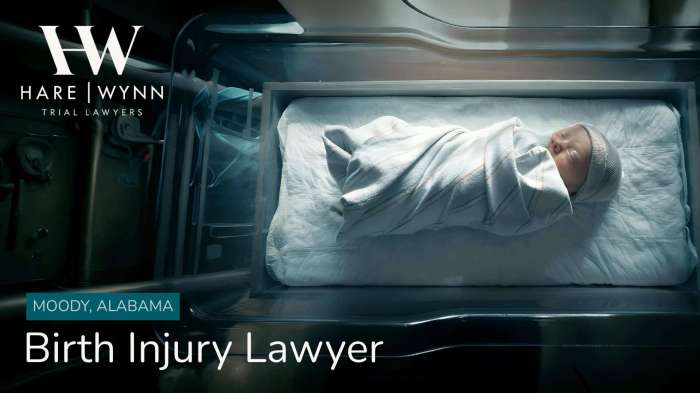
When it comes to birth injury cases involving oxygen deprivation, families may be entitled to various types of compensation to help cover the costs associated with the injury and provide support for the child’s future needs. Damages in medical malpractice lawsuits related to birth injuries caused by oxygen deprivation are calculated based on a variety of factors, including the severity of the injury and the long-term effects on the child’s health and quality of life.
However, families may face challenges in seeking compensation for birth injuries caused by medical negligence, including navigating complex legal processes and dealing with insurance companies that may try to minimize payouts.
Types of Compensation Available
- Medical expenses: This may include costs for current and future medical treatments, therapies, medications, and assistive devices needed as a result of the birth injury.
- Lifecare expenses: Families may receive compensation for the ongoing care and support required by the child, such as specialized nursing care, home modifications, and other accommodations.
- Loss of earnings: If the child’s birth injury prevents them from working in the future, families may be entitled to compensation for the loss of potential earnings.
- Pain and suffering: Damages for physical pain, emotional distress, and reduced quality of life experienced by the child and their family as a result of the birth injury.
Calculation of Damages
- Special damages: These are quantifiable economic losses, such as medical bills and lost wages, that can be calculated based on actual expenses incurred.
- General damages: Non-economic damages, such as pain and suffering, are more subjective and may be calculated based on the severity of the injury and its impact on the child’s life.
- Punitive damages: In cases of extreme negligence or intentional harm, punitive damages may be awarded to punish the responsible party and deter similar behavior in the future.
Challenges in Seeking Compensation
- Proving medical negligence: Establishing a healthcare provider’s breach of the standard of care and its direct link to the birth injury can be challenging and may require expert testimony.
- Statute of limitations: Families must file a birth injury lawsuit within a certain time frame after the injury occurred, which can vary by state and may limit their ability to seek compensation.
- Insurance company tactics: Insurance companies may try to minimize payouts by disputing the extent of the injury, delaying the claims process, or offering low settlement amounts that do not fully cover the child’s needs.
Closing Notes

In conclusion, Birth Injury Lawyer Near Me: Proving Medical Negligence in Oxygen Deprivation Cases sheds light on the intricate process of seeking justice for families affected by birth injuries. It emphasizes the importance of legal representation and thorough evidence gathering in such cases, underscoring the challenges and complexities involved in pursuing compensation for medical negligence.
User Queries
How do birth injury lawyers prove medical negligence in cases of oxygen deprivation?
Birth injury lawyers gather evidence such as medical records, expert testimonies, and other relevant documents to establish medical negligence in oxygen deprivation cases.
What types of compensation are available to families in birth injury cases involving oxygen deprivation?
Compensation may include medical expenses, ongoing care costs, loss of income, pain and suffering, and other damages related to the birth injury caused by medical negligence.
What criteria are essential for proving medical negligence in birth injury cases?
Proving medical negligence requires demonstrating that the healthcare provider breached the standard of care, directly causing harm to the newborn due to oxygen deprivation during childbirth.