Exploring the differences in legal rights between long-shore and harbor workers in offshore accidents sheds light on the complexities of maritime law. Dive into this discussion to uncover how these rights impact compensation and benefits for workers in this industry.
Detailing job responsibilities, risks, compensation, and legal recourse, this topic delves deep into the nuances of protecting the rights of long-shore and harbor workers.
Differences in Legal Rights
When it comes to offshore accidents, long-shore workers and harbor workers have distinct legal rights that govern their compensation and benefits. Let’s delve into the specific laws and regulations that differentiate these two categories of workers and how they impact their rights.
Legal Rights of Long-Shore Workers
Long-shore workers are protected under the Longshore and Harbor Workers’ Compensation Act (LHWCA). This federal law provides coverage for workers engaged in maritime occupations such as loading and unloading vessels. Under the LHWCA, long-shore workers are entitled to compensation for medical expenses, disability benefits, and vocational rehabilitation in case of work-related injuries or illnesses.
Legal Rights of Harbor Workers
Harbor workers, on the other hand, are covered by the Jones Act, also known as the Merchant Marine Act of 1920. This law grants harbor workers the right to sue their employers for negligence that leads to injuries or accidents while working on vessels.
Unlike long-shore workers who are covered under a no-fault system, harbor workers must prove negligence to receive compensation for their injuries.
Impact on Compensation and Benefits
The difference in legal rights between long-shore and harbor workers affects the compensation and benefits they can receive in the event of an offshore accident. Long-shore workers are entitled to benefits under the LHWCA regardless of fault, ensuring they receive compensation for their injuries.
On the other hand, harbor workers must demonstrate negligence on the part of their employers to seek compensation under the Jones Act, which can make the process more complex and challenging.
Job Responsibilities and Risks
When comparing long-shore and harbor workers in the maritime industry, it is essential to understand their distinct job responsibilities and the risks associated with each role. These factors play a significant role in determining the likelihood of offshore accidents occurring.
Long-Shore Workers
Long-shore workers are responsible for loading and unloading cargo from ships at ports. They operate heavy machinery, such as cranes and forklifts, to move cargo on and off vessels. These workers are also involved in securing cargo on ships and ensuring that it is properly stowed for transport.
- Operating heavy machinery to load and unload cargo
- Securing cargo on ships
- Stowing cargo for transport
Long-shore workers face risks such as heavy machinery accidents, falls from heights, and injuries from moving cargo.
Harbor Workers
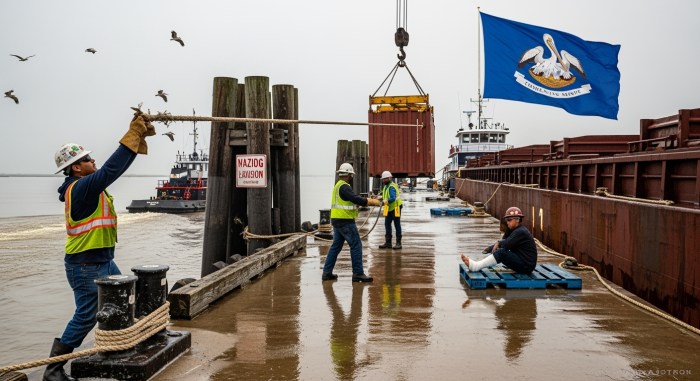
Harbor workers, on the other hand, are responsible for the maintenance and repair of vessels in port areas. They may also handle mooring lines to secure ships in place or assist with the loading and unloading of cargo when needed.
- Maintenance and repair of vessels
- Handling mooring lines
- Assisting with cargo operations
Harbor workers are exposed to risks such as slips and falls on wet surfaces, accidents while handling mooring lines, and injuries during cargo operations.
Common Offshore Accidents
Offshore accidents among long-shore and harbor workers can vary but often involve similar types of incidents. Some common offshore accidents include:
- Slips, trips, and falls on slippery surfaces
- Accidents involving heavy machinery
- Injuries from handling cargo
- Falls from heights while working on vessels
Compensation and Benefits
When it comes to compensation and benefits for long-shore and harbor workers, there are distinct differences based on the nature of their work, the risks involved, and the legal frameworks that govern their rights.
Compensation Packages
- Long-shore workers typically receive compensation based on the hours worked, with overtime pay for additional hours put in. This can also include hazard pay for working in potentially dangerous conditions.
- Harbor workers, on the other hand, may have a different compensation structure that includes bonuses or incentives based on cargo handling efficiency or other performance metrics.
Benefits Offered
- Long-shore workers may be entitled to benefits such as health insurance, disability coverage, and retirement plans to ensure financial security in case of an accident or injury.
- Harbor workers may have benefits that focus more on career development, such as training programs or opportunities for advancement within the industry.
Legal Recourse and Representation
When it comes to seeking legal recourse for offshore accidents, both long-shore and harbor workers face unique challenges. These workers are often exposed to dangerous conditions and have specific legal rights that must be protected in case of an accident.
This is where offshore accident lawyers play a crucial role in representing them and ensuring they receive the compensation and justice they deserve.
Seeking Legal Recourse
- Long-shore workers and harbor workers can seek legal recourse by filing a claim for compensation through the Longshore and Harbor Workers’ Compensation Act (LHWCA). This federal law provides benefits to workers who are injured or become ill on the navigable waters of the United States or in adjoining areas used in the loading, unloading, repairing, or building of a vessel.
- Workers must report the accident to their employer and file a claim within a specific timeframe to be eligible for benefits. The process can be complex, requiring the expertise of an offshore accident lawyer to navigate the legal system and ensure the worker’s rights are protected.
Role of Offshore Accident Lawyers
- Offshore accident lawyers specialize in maritime law and have the knowledge and experience to represent long-shore and harbor workers in legal proceedings. They work to gather evidence, negotiate with insurance companies, and advocate for their clients in court to secure fair compensation for their injuries.
- These lawyers play a crucial role in ensuring that long-shore and harbor workers understand their legal rights and receive the support they need to recover from their injuries and move forward with their lives.
Examples of Successful Cases
- An offshore accident lawyer successfully represented a long-shore worker who suffered a serious injury while loading a cargo ship. The lawyer helped the worker secure compensation for medical expenses, lost wages, and pain and suffering, ensuring they received the support they needed during their recovery.
- In another case, a harbor worker who was exposed to toxic chemicals in the workplace sought legal representation from an offshore accident lawyer. The lawyer was able to prove negligence on the part of the employer and secure a substantial settlement for the worker, holding the responsible party accountable for their actions.
Closing Summary
In conclusion, understanding the distinct legal frameworks and work environments of long-shore and harbor workers is essential for ensuring fair treatment and just compensation in case of offshore accidents. This topic serves as a valuable resource for anyone navigating the complexities of maritime law.
FAQ Resource
What are the specific laws that govern the rights of long-shore workers and harbor workers in offshore accidents?
The Longshore and Harbor Workers’ Compensation Act (LHWCA) governs the rights of long-shore workers, while harbor workers’ rights are regulated by the Jones Act and other maritime laws.
What types of benefits can long-shore workers and harbor workers receive in case of an offshore accident?
Long-shore workers are entitled to benefits under the LHWCA, including medical care and disability compensation. Harbor workers covered by the Jones Act may receive maintenance and cure benefits.
How do compensation packages differ between long-shore workers and harbor workers in the maritime industry?
Compensation packages for long-shore workers are typically governed by the LHWCA and provide disability benefits, while harbor workers covered by the Jones Act may seek damages for negligence.