
Beginning with Defective Hip Replacement Lawyer: Filing a Claim Against Medical Device Manufacturers, the narrative unfolds in a compelling and distinctive manner, drawing readers into a story that promises to be both engaging and uniquely memorable.
In this article, we will delve into the legal aspects of filing a claim against medical device manufacturers for defective hip replacements, exploring the complexities and considerations involved in seeking justice for those affected.
Understanding Defective Hip Replacement
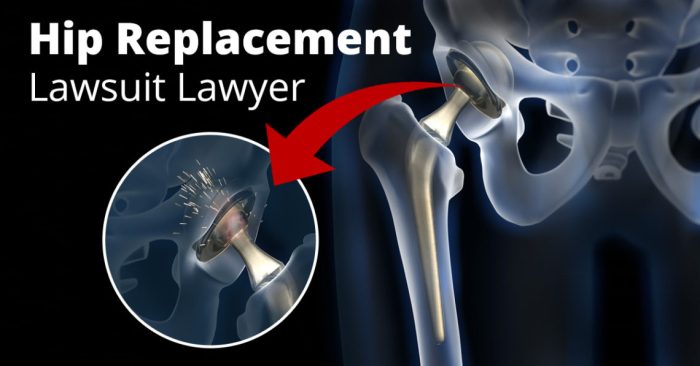
When a hip replacement device is considered defective, it means that there are issues with the design, manufacturing, or materials used in the implant. This can lead to serious complications and problems for the patient.
Common Issues with Defective Hip Replacements
- Loosening of the implant
- Fracture of the implant
- Dislocation of the hip joint
- Metallosis (metal poisoning from metal-on-metal implants)
- Infections
- Persistent pain and discomfort
Impact on Quality of Life
A defective hip replacement can significantly impact a patient’s quality of life. It can lead to chronic pain, limited mobility, and the need for additional surgeries to correct the issues. This can result in emotional distress, financial burden, and a decreased overall quality of life for the individual.
Legal Aspects
When it comes to filing a claim against medical device manufacturers for a defective hip replacement, navigating the legal process can be complex and overwhelming for individuals seeking justice. In such cases, the expertise of a defective hip replacement lawyer is invaluable in guiding victims through the legal proceedings and advocating for their rights.
Role of a Defective Hip Replacement Lawyer
- A defective hip replacement lawyer specializes in product liability and medical malpractice cases, possessing the necessary knowledge and experience to handle complex legal matters related to defective medical devices.
- They investigate the circumstances surrounding the defective hip replacement, gather evidence, consult with medical experts, and formulate a strong legal strategy to pursue compensation on behalf of the victim.
- Additionally, a defective hip replacement lawyer serves as a dedicated advocate for their clients, representing their best interests in negotiations with the medical device manufacturers and in court, if necessary.
Statute of Limitations and Legal Considerations
- The statute of limitations refers to the time limit within which a lawsuit must be filed after the discovery of the injury or defect. It is crucial to be aware of the applicable statute of limitations in your state, as failing to file within the specified timeframe can result in the forfeiture of your right to seek legal recourse.
- Other important legal considerations for filing a claim include proving the defectiveness of the hip replacement, establishing causation between the defect and the injuries suffered, and calculating the damages incurred as a result of the defective medical device.
- Working closely with a skilled defective hip replacement lawyer can help individuals navigate these legal complexities and ensure that their rights are protected throughout the legal process.
Compensation and Damages
When a patient experiences complications or injuries due to a defective hip replacement, they may be entitled to various types of compensation and damages. These can help cover medical expenses, lost wages, pain and suffering, and other related costs incurred as a result of the defective device.
Types of Compensation
- Medical expenses: This includes costs for surgeries, hospital stays, medications, rehabilitation, and any other medical treatments needed due to the defective hip replacement.
- Lost wages: If the patient had to take time off work or was unable to work due to the complications from the defective device, they may be compensated for the income they lost during that period.
- Pain and suffering: Compensation for the physical pain, emotional distress, and decreased quality of life caused by the defective hip replacement.
- Punitive damages: In some cases, punitive damages may be awarded to punish the medical device manufacturer for their negligence or misconduct.
Factors Influencing Compensation
- Extent of injuries: The severity of the complications and injuries caused by the defective hip replacement will play a significant role in determining the amount of compensation awarded.
- Medical expenses: The total medical costs incurred, including past and future expenses, will be considered when calculating the compensation amount.
- Lost wages: The patient’s lost earnings and potential future income loss due to the defective device will also be factored into the compensation amount.
- Emotional distress: The emotional impact and mental anguish experienced by the patient as a result of the defective hip replacement will be taken into account.
Examples of Successful Cases
- A patient who suffered severe complications from a defective hip replacement was awarded $1.5 million in compensation to cover medical expenses, lost wages, and pain and suffering.
- In another case, a patient received $2 million in compensation after experiencing permanent disability and emotional distress due to a faulty hip replacement device.
Working with a Defective Hip Replacement Lawyer
When it comes to navigating a defective hip replacement case, working with a knowledgeable and experienced lawyer is crucial. Here are some key points to keep in mind when selecting and collaborating with a defective hip replacement lawyer:
Selecting a Qualified Lawyer
- Research: Take the time to research and identify lawyers who specialize in defective medical device cases, particularly hip replacement lawsuits.
- Experience: Look for a lawyer with a proven track record of handling similar cases and securing favorable outcomes for their clients.
- Credentials: Ensure the lawyer is licensed to practice in your state and is in good standing with the bar association.
Importance of Communication and Transparency
Effective communication is key to a successful lawyer-client relationship in a defective hip replacement case. It is essential that your lawyer keeps you informed about the progress of your case, explains legal terms and processes in a clear manner, and promptly responds to your queries.
Transparency regarding all aspects of the case, including potential outcomes and fees, is crucial for building trust and ensuring a positive working relationship.
Tips for Working with Legal Counsel
- Be Honest: Provide your lawyer with all relevant information and documentation related to your defective hip replacement, including medical records, bills, and correspondence with healthcare providers.
- Stay Informed: Educate yourself about the legal process and ask questions if you do not understand any aspect of your case. Your lawyer should be willing to explain things to you in a way that makes sense.
- Follow Advice: Trust your lawyer’s expertise and follow their advice on legal strategies and decisions. Collaboration and teamwork are essential for a successful outcome.
Closing Notes
In conclusion, navigating the process of filing a claim for a defective hip replacement can be challenging, but with the right legal representation and understanding of your rights, you can pursue the compensation you deserve.
FAQ Section
What constitutes a defective hip replacement?
A defective hip replacement refers to a hip implant that fails to function as intended, leading to complications or issues for the patient.
What types of compensation can a patient receive in a defective hip replacement case?
Patients may be entitled to compensation for medical expenses, pain and suffering, lost wages, and other damages resulting from a defective hip replacement.
How do I select a qualified defective hip replacement lawyer?
When choosing a lawyer, consider their experience with defective medical device cases, success rate, and willingness to communicate and work closely with you throughout the legal process.