Beginning with Aviation Accident Lawyer: Determining Liability in Private Plane and Helicopter Crashes, the narrative unfolds in a compelling and distinctive manner, drawing readers into a story that promises to be both engaging and uniquely memorable.
As we delve into the intricacies of aviation accidents involving private planes and helicopters, we uncover the complexities of determining liability and the crucial role that aviation accident lawyers play in these investigations.
Understanding Aviation Accidents
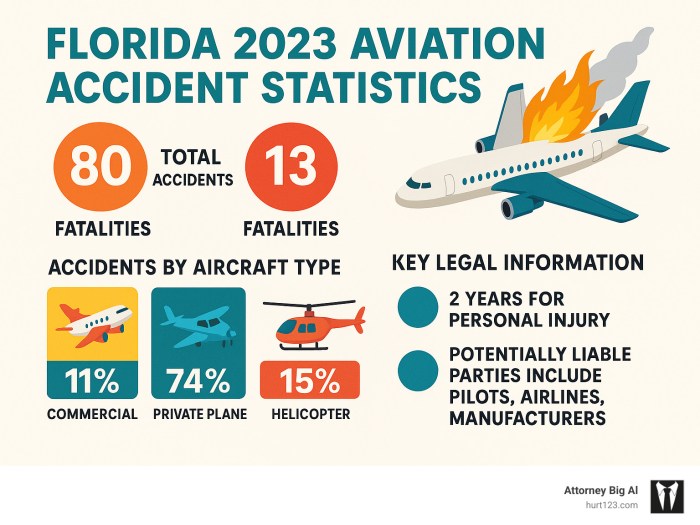
Aviation accidents involving private planes and helicopters can have devastating consequences, leading to injuries and fatalities. It is crucial to understand the common causes of these crashes, the different types of liability involved, and the essential role of an aviation accident lawyer in investigating such incidents.
Common Causes of Private Plane and Helicopter Crashes
- Pilot error, including mistakes in navigation, judgment, or decision-making
- Mechanical failures or issues with the aircraft
- Weather conditions such as fog, storms, or turbulence
- Air traffic control errors or miscommunications
- Lack of proper maintenance or inspection of the aircraft
Types of Liability in Aviation Accidents
- Strict Liability: Holding the aircraft manufacturer or designer responsible for defects that caused the crash
- Negligence: Establishing fault on the part of the pilot, maintenance crew, or other parties involved in the operation of the aircraft
- Product Liability: Addressing issues with the aircraft’s components or design that contributed to the accident
- Third-Party Liability: Holding accountable entities such as air traffic control or maintenance providers for their role in the crash
Role of an Aviation Accident Lawyer
An aviation accident lawyer plays a crucial role in investigating the crash, gathering evidence, working with experts to determine the cause, and representing the interests of the victims or their families. They navigate complex aviation laws and regulations to ensure that the responsible parties are held accountable for their actions, seeking compensation for damages and losses incurred.
Determining Liability in Private Plane Crashes
Determining liability in private plane accidents is a complex process that involves looking at various factors to determine who is responsible for the crash. This can include the pilot, the aircraft manufacturer, maintenance personnel, air traffic controllers, and more.
Factors Contributing to Liability in Private Plane Crashes
- Pilot Error: One of the most common factors contributing to liability in private plane crashes is pilot error. This can include mistakes in judgment, lack of experience, or failure to follow proper procedures.
- Aircraft Maintenance: Poor maintenance of the aircraft can also lead to liability. If it is found that inadequate maintenance played a role in the crash, the maintenance personnel or company could be held responsible.
- Manufacturing Defects: If a crash is caused by a defect in the design or manufacturing of the aircraft, the manufacturer may be found liable for the accident.
- Air Traffic Control: In some cases, errors or miscommunications by air traffic controllers can contribute to a private plane crash, leading to liability on their part.
Examples of Cases Establishing Liability in Private Plane Accidents
One notable case involved a private plane crash where it was discovered that the pilot had failed to conduct a pre-flight inspection, leading to mechanical failure during the flight. The pilot was found liable for the crash due to negligence.
In another case, a private plane crashed due to a manufacturing defect that caused engine failure. The aircraft manufacturer was held responsible for the accident and compensated the victims for their injuries.
Analyzing Liability in Helicopter Crashes
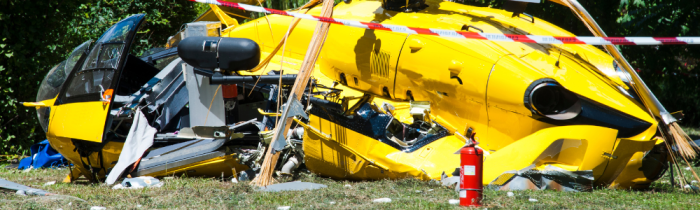
When it comes to helicopter crashes, determining liability can be a complex process that involves various factors. Let’s explore the key points to consider when analyzing liability in helicopter accidents.
Comparison of Liability Factors between Helicopter and Private Plane Accidents
In both helicopter and private plane crashes, factors such as pilot error, mechanical failure, weather conditions, and maintenance issues can contribute to accidents. However, the dynamics of helicopter flights are different from fixed-wing aircraft, leading to unique liability considerations.
- Helicopter pilots often operate in more challenging environments, such as urban areas or mountainous regions, which can increase the risk of accidents.
- Helicopters have different flight characteristics compared to planes, making them more susceptible to weather conditions like wind gusts or turbulence.
- The close proximity of helicopter operations to the ground means that errors in judgment or control can have severe consequences.
Legal Challenges Specific to Determining Liability in Helicopter Crashes
Determining liability in helicopter crashes can be complicated due to the multiple parties involved, including the pilot, maintenance personnel, air traffic controllers, and manufacturers. Legal challenges may arise from issues such as:
- Proving negligence or misconduct on the part of the pilot or other parties.
- Establishing the cause of the accident, especially in cases where multiple factors contribute to the crash.
- Navigating the complex regulations and standards that govern helicopter operations.
Impact of Weather Conditions and Pilot Error on Liability in Helicopter Crashes
Weather conditions and pilot error are significant factors in helicopter accidents and can have a direct impact on liability. Adverse weather, such as fog, low visibility, or strong winds, can increase the risk of accidents and complicate the determination of liability.
Pilot error, including misjudgments, poor decision-making, or lack of training, can also play a crucial role in assigning liability in helicopter crashes.Overall, analyzing liability in helicopter crashes requires a comprehensive understanding of the unique challenges and factors that influence these types of accidents.
Role of Aviation Accident Lawyers
Aviation accident lawyers play a crucial role in representing clients who have been affected by plane or helicopter crashes. They specialize in navigating the complex legal aspects of aviation accidents to ensure that their clients receive fair compensation for their losses.
Responsibilities of Aviation Accident Lawyers
Aviation accident lawyers are responsible for investigating the crash, gathering evidence, and determining liability. They work closely with investigators and experts to analyze the circumstances of the accident and identify the parties at fault. Additionally, they provide legal guidance to their clients throughout the entire claims process, from filing a lawsuit to negotiating settlements.
Working with Investigators and Experts
Aviation accident lawyers collaborate with investigators and aviation experts to gather crucial evidence, such as flight data, maintenance records, and witness testimonies. By leveraging their expertise and resources, they can build a strong case to establish liability and hold the responsible parties accountable for the accident.
Negotiating Settlements for Clients
One of the key roles of aviation accident lawyers is to negotiate settlements on behalf of their clients. They work tirelessly to ensure that their clients receive fair compensation for damages such as medical expenses, lost wages, pain and suffering, and emotional distress.
By advocating for their clients’ rights, aviation accident lawyers strive to secure the best possible outcome for those affected by aviation accidents.
Legal Precedents and Case Studies
When it comes to determining liability in aviation accidents, legal precedents and case studies play a crucial role in shaping the outcomes of similar cases. By examining landmark cases and their implications, we can gain valuable insights into how liability is assessed in the aftermath of private plane and helicopter crashes.
Landmark Cases in Aviation Accident Liability
- The Tenerife Airport Disaster: One of the most tragic aviation accidents in history, this case involved a collision between two Boeing 747 aircraft on the runway, resulting in the deaths of 583 people. The investigation highlighted issues of communication, human error, and the importance of clear protocols in preventing such accidents.
- United Airlines Flight 232: This case involved the crash of a DC-10 aircraft due to engine failure, resulting in 111 fatalities. The subsequent legal proceedings focused on the manufacturer’s liability for faulty engine design and maintenance practices.
Impact of Legal Precedents on Liability Determinations
Legal precedents serve as benchmarks for assessing liability in aviation accident cases, establishing standards of care, and determining accountability for negligence or misconduct.
By referencing past cases and the legal principles established through them, courts can make informed decisions regarding liability, compensation, and the allocation of responsibility among various parties involved in an aviation accident.
Outcomes of Notable Cases and Liability Trends
| Case | Outcome |
|---|---|
| Tenerife Airport Disaster | Emphasized the importance of effective communication, crew coordination, and adherence to safety protocols in preventing accidents. |
| United Airlines Flight 232 | Highlighted the responsibility of aircraft manufacturers for ensuring the safety and reliability of their products, leading to improved maintenance practices and design standards. |
Summary
In conclusion, the landscape of aviation accidents and determining liability in private plane and helicopter crashes is multifaceted and intricate. From understanding the legal nuances to navigating through case studies, it becomes evident that the expertise of aviation accident lawyers is indispensable in seeking justice and accountability.
FAQs
What are the common causes of private plane and helicopter crashes?
The common causes include pilot error, mechanical failure, weather conditions, and air traffic controller negligence.
How do aviation accident lawyers work with investigators and experts?
Aviation accident lawyers collaborate closely with investigators and experts to gather evidence, analyze data, and reconstruct the events leading to the crash.
Are there specific legal challenges in determining liability in helicopter crashes?
Yes, legal challenges in helicopter crashes may include complexities in identifying multiple liable parties, issues with aircraft maintenance, and regulations specific to helicopter operations.
What role do weather conditions and pilot error play in determining liability in helicopter crashes?
Weather conditions and pilot error can significantly impact liability in helicopter crashes, as they are key factors that contribute to the cause of the accident.