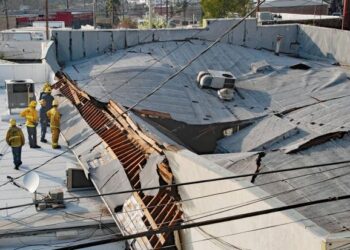
Exploring the realm of Heavy Machinery Malfunction: Product Liability vs. Workplace Safety Violations, this article delves into the complexities of industrial equipment mishaps. Brace yourself for a journey filled with insights and revelations about the critical balance between liability and safety in the workplace.
The subsequent paragraphs will unravel the intricacies of heavy machinery malfunction, product liability, workplace safety violations, and essential preventive measures.
Overview of Heavy Machinery Malfunction
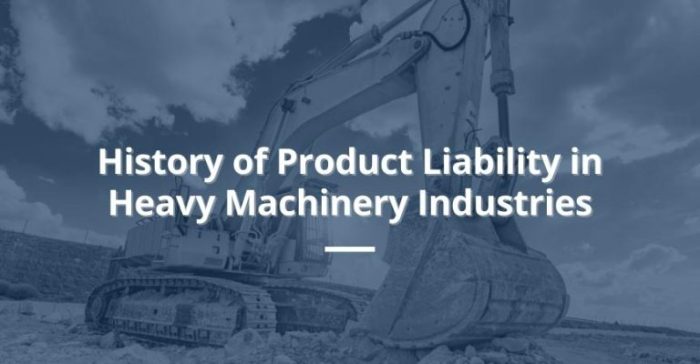
Heavy machinery malfunction refers to the unexpected failure or breakdown of equipment used in industrial settings, construction sites, or manufacturing plants.
Common Causes of Heavy Machinery Malfunction
- Poor maintenance practices: Irregular maintenance schedules or neglecting proper upkeep can lead to malfunction.
- Operator error: Inexperienced or improperly trained operators may use the machinery incorrectly, leading to malfunction.
- Manufacturing defects: Flaws in the design or construction of the machinery can result in malfunction even with regular maintenance.
- Overloading or misuse: Using the machinery beyond its capacity or in ways it was not intended for can cause malfunction.
Potential Risks Associated with Heavy Machinery Malfunction
- Workplace accidents: Malfunctioning machinery can lead to serious injuries or fatalities for workers operating or working near the equipment.
- Property damage: Machinery malfunction can result in damage to the equipment itself, other machinery, or the surrounding infrastructure.
- Downtime and production delays: When machinery malfunctions, it can lead to delays in production schedules, affecting overall productivity and profitability.
Product Liability in Heavy Machinery Malfunction
Product liability refers to the legal responsibility of manufacturers or sellers for injuries caused by a defective product they have produced or sold. When it comes to heavy machinery, product liability plays a crucial role in ensuring the safety of workers and preventing accidents in the workplace.Heavy machinery malfunctions can lead to serious injuries or even fatalities in industrial settings.
In such cases, the concept of product liability comes into play to determine who is responsible for the malfunction and subsequent harm caused. Manufacturers of heavy machinery are expected to design, produce, and sell products that meet certain safety standards and regulations to prevent accidents and injuries.
Examples of Product Liability Cases Related to Heavy Machinery Malfunctions
- A manufacturer of construction equipment is sued after a crane collapses at a job site, injuring several workers. Investigations reveal that the crane’s design was faulty, leading to the malfunction and subsequent accident.
- An industrial machine manufacturer faces a lawsuit when a worker loses a limb due to a malfunction in a press machine. It is discovered that the machine was not properly maintained according to the manufacturer’s guidelines, contributing to the malfunction.
Legal Implications for Manufacturers in Cases of Heavy Machinery Malfunction
- Manufacturers can be held liable for heavy machinery malfunctions if it is proven that the product was defectively designed, manufactured, or lacked proper warnings or instructions for safe use.
- In cases of product liability, manufacturers may be required to compensate injured parties for medical expenses, lost wages, pain and suffering, and other damages resulting from the malfunction.
- To avoid legal implications and ensure workplace safety, manufacturers must conduct thorough testing, adhere to safety standards, provide adequate warnings and instructions for product use, and promptly address any reported malfunctions or defects.
Workplace Safety Violations
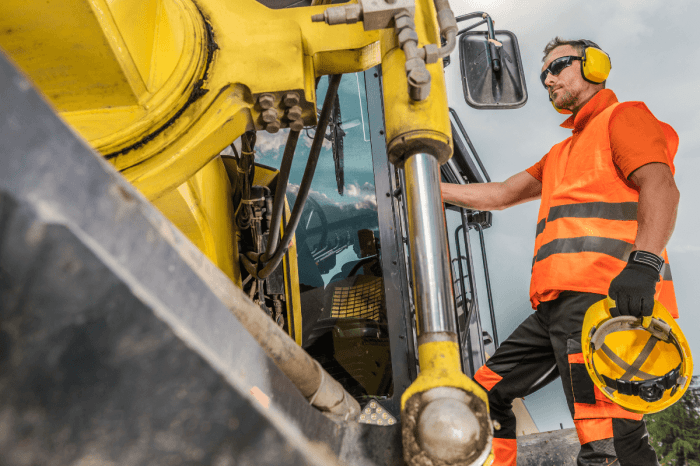
Workplace safety violations in the context of heavy machinery operation refer to any breaches of safety protocols, regulations, or standards that are put in place to protect workers from harm while operating or working around heavy machinery.
Common Workplace Safety Violations
Common workplace safety violations that can lead to heavy machinery malfunctions include:
- Failure to provide adequate training for employees on how to operate heavy machinery safely.
- Ignoring or bypassing safety procedures and protocols when using heavy machinery.
- Using heavy machinery without the proper safety guards or protective equipment in place.
- Operating heavy machinery in areas with inadequate lighting or visibility.
- Allowing unauthorized or unqualified personnel to operate heavy machinery.
Consequences of Workplace Safety Violations
Workplace safety violations can have severe consequences in the context of heavy machinery accidents:
- Increased risk of injuries or fatalities for workers operating or working around heavy machinery.
- Downtime and production delays due to accidents or malfunctions caused by safety violations.
- Potential legal liabilities and financial penalties for the company in case of accidents resulting from safety violations.
- Damage to the company’s reputation and decreased employee morale due to unsafe working conditions.
Preventive Measures and Best Practices
When it comes to heavy machinery, ensuring safety protocols and best practices are in place is crucial to prevent accidents and malfunctions. Regular maintenance and inspections play a significant role in identifying potential issues before they escalate into serious problems.
Creating a safe work environment is essential for minimizing the risk of accidents involving heavy machinery.
Importance of Regular Maintenance and Inspections
Regular maintenance and inspections are key to preventing malfunctions in heavy machinery. By conducting routine checks, potential issues can be identified and addressed before they cause any accidents or breakdowns. This proactive approach not only ensures the safety of the operators but also prolongs the lifespan of the equipment.
Implementing a structured maintenance schedule and keeping detailed records of inspections can help in tracking the condition of the machinery and addressing any issues promptly.
Recommendations for Creating a Safe Work Environment
- Provide comprehensive training for operators on the safe operation of heavy machinery, including proper use, maintenance, and emergency procedures.
- Implement clear safety guidelines and protocols for all employees working around heavy machinery, emphasizing the importance of following safety procedures at all times.
- Conduct regular safety audits and risk assessments to identify potential hazards in the workplace and take necessary measures to mitigate risks.
- Ensure that all machinery is properly maintained, serviced, and inspected according to manufacturer recommendations and industry standards.
- Encourage open communication between operators, supervisors, and maintenance staff to report any concerns or issues regarding the machinery promptly.
- Invest in safety equipment such as personal protective gear, warning signs, and barriers to create a secure work environment for all employees.
Last Word
As we reach the conclusion of this discourse, a vivid recap of the key points discussed awaits. Prepare to be enlightened with a comprehensive summary of the juxtaposition between product liability and workplace safety violations in the realm of heavy machinery malfunctions.
Clarifying Questions
What are the common causes of heavy machinery malfunction?
Common causes include lack of maintenance, operator error, and manufacturing defects.
How does product liability apply to heavy machinery malfunctions?
Product liability holds manufacturers accountable for defects that lead to malfunctions, ensuring they compensate for damages.
What are the consequences of workplace safety violations related to heavy machinery operation?
Violations can result in accidents, injuries, legal penalties, and damage to the company’s reputation.
Why is regular maintenance crucial in preventing heavy machinery malfunctions?
Regular maintenance helps identify issues early, ensuring smooth operation and reducing the risk of breakdowns.