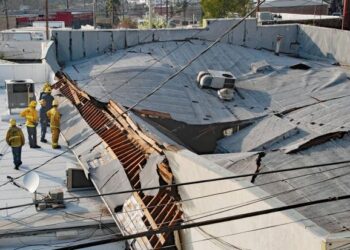
As Crane Accident Claims: Who Is at Fault When Heavy Lifting Equipment Fails? takes center stage, this opening passage beckons readers into a world crafted with good knowledge, ensuring a reading experience that is both absorbing and distinctly original.
In the following paragraphs, we delve into the intricacies of crane accidents, exploring the factors, legal aspects, and safety regulations that play a crucial role in determining fault.
Understanding Crane Accidents
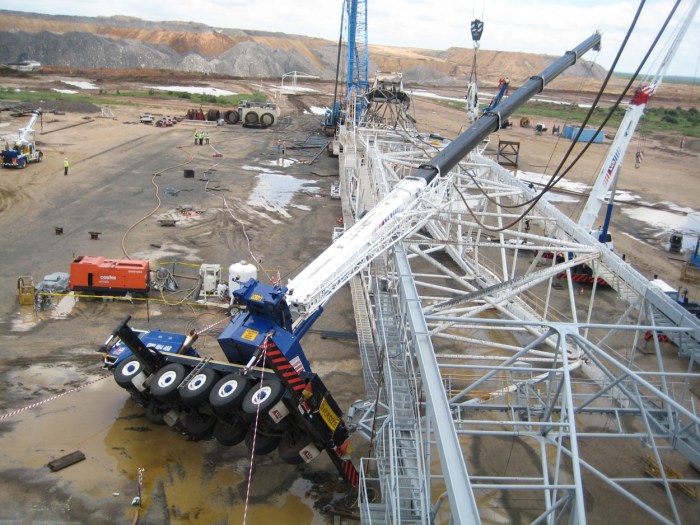
Crane accidents refer to incidents involving the failure of heavy lifting equipment, such as cranes, leading to potential dangers and damages on construction sites or industrial settings.These accidents can have severe consequences, jeopardizing human safety by causing injuries or even fatalities.
In addition to the human aspect, crane accidents can result in significant financial liabilities for companies involved, including legal costs, compensation for victims, and property damage expenses.
Examples of Past Crane Accidents
- In 2019, a crane collapsed in Seattle, killing four people and injuring several others. The incident raised concerns about the maintenance and inspection of cranes in construction sites.
- In 2008, a tower crane collapsed in New York City, resulting in several fatalities and extensive property damage. The accident highlighted the importance of proper crane operation and safety protocols.
- Statistically, according to the Bureau of Labor Statistics, crane-related incidents account for a significant number of workplace fatalities each year, emphasizing the need for strict safety regulations and enforcement.
Factors Contributing to Crane Accidents
Crane accidents can be caused by a variety of factors, ranging from equipment malfunction to human error and environmental conditions. Understanding these factors is crucial in preventing such incidents and ensuring safety in construction sites.
Equipment Malfunction
Equipment malfunction is a common factor in crane accidents. Issues such as mechanical failure, worn-out parts, or inadequate maintenance can lead to catastrophic consequences. Regular inspections and maintenance practices are essential to identify and address potential problems before they escalate.
Human Error
Human error also plays a significant role in crane accidents. Factors such as lack of training, poor communication, or negligence can result in accidents. Proper training programs, clear communication protocols, and adherence to safety procedures can help mitigate the risks associated with human error.
Environmental Conditions
Environmental conditions, such as high winds, rain, or extreme temperatures, can impact the stability and operation of cranes. It is important to consider these factors when planning crane operations and take appropriate measures to ensure safety. Monitoring weather conditions and implementing safety protocols are essential in minimizing the risks associated with adverse environmental conditions.
Maintenance Practices
Maintenance practices are crucial in preventing crane accidents. Regular inspections, timely repairs, and adherence to manufacturer guidelines can help identify and address potential issues before they lead to accidents. Establishing a comprehensive maintenance schedule and ensuring that all maintenance tasks are performed by qualified professionals are essential in maintaining crane safety.
Impact of Different Factors
Each factor contributing to crane accidents has a varying impact on the likelihood of incidents. While equipment malfunction and human error are often preventable through proper maintenance and training, environmental conditions may require additional precautions and contingency plans. Understanding the role of each factor and implementing appropriate safety measures can help reduce the risks associated with crane operations.
Legal Framework and Responsibility
Legal responsibility in cases of crane accidents is a complex issue that involves various parties and factors. Understanding the legal framework surrounding crane accidents and liability issues is crucial for determining who is at fault when heavy lifting equipment fails.
Parties Involved in Crane Accident Claims
- Crane operators: Responsible for operating the crane safely and following all necessary protocols.
- Contractors: Often the party responsible for overseeing the construction site and ensuring safety measures are in place.
- Manufacturers: If the accident is due to equipment failure, the manufacturer of the crane or its components may be held liable.
- Site owners: Ultimately responsible for the overall safety of the construction site and ensuring that all safety regulations are followed.
Liability Determination in Crane Accidents
- Investigation: A thorough investigation is conducted to determine the cause of the accident, whether it was due to human error, equipment failure, or other factors.
- Regulatory compliance: Compliance with safety regulations and standards plays a significant role in determining liability. Failure to adhere to these regulations can result in legal consequences.
- Negligence: If any party involved in the crane operation is found to have been negligent in their duties, they may be held liable for the accident and resulting damages.
- Contractual agreements: The terms of any contracts between the parties involved may also impact liability, depending on the agreed-upon responsibilities and obligations.
Safety Regulations and Compliance
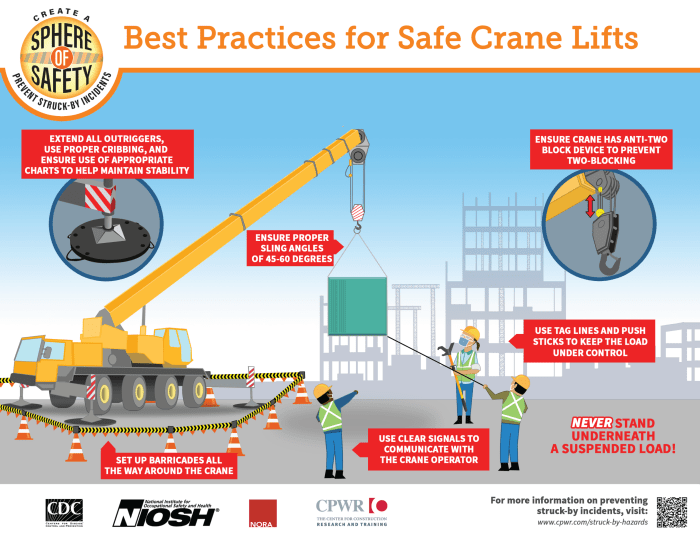
Ensuring compliance with safety regulations is crucial in crane operations to prevent accidents and protect the safety of workers and the public. Failure to comply with these regulations can lead to serious consequences.
Safety Regulations Governing Crane Operations
Crane operations are governed by a set of safety regulations and standards to ensure safe practices in heavy lifting operations. These regulations are established by organizations such as OSHA (Occupational Safety and Health Administration) and ANSI (American National Standards Institute) to provide guidelines for crane operators and companies.
- Regular inspections of cranes and lifting equipment to ensure proper functioning and safety standards are met.
- Training programs for crane operators to ensure they are qualified and competent to operate the equipment safely.
- Adherence to load capacity limits and proper rigging techniques to prevent overloading and structural failures.
- Establishing exclusion zones around crane operations to protect workers and bystanders from potential hazards.
Best Practices for Compliance
Implementing best practices can help ensure compliance with safety regulations in crane operations and reduce the risk of accidents.
- Regular maintenance and inspection schedules for cranes and lifting equipment.
- Ongoing training and certification programs for crane operators.
- Strict adherence to load capacity limits and proper rigging procedures.
- Establishing clear communication protocols between the crane operator and ground personnel.
Consequences of Non-Compliance
Failure to comply with safety regulations in crane operations can result in severe consequences, including:
- Accidents causing injuries or fatalities to workers and bystanders.
- Legal liabilities and potential lawsuits for negligence.
- Work stoppages and financial losses for the company.
- Damage to property and reputation of the company.
Ending Remarks
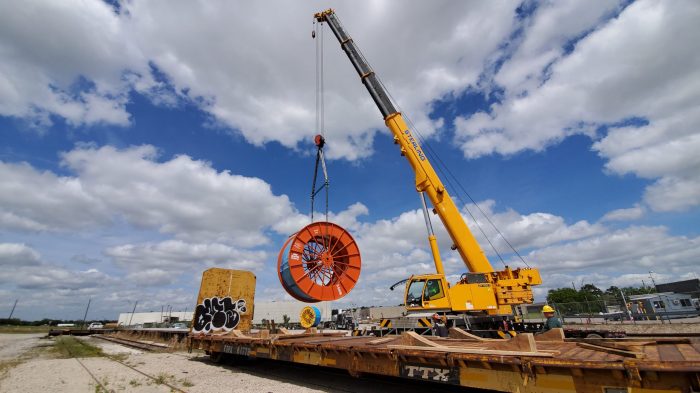
In conclusion, the complexities of crane accident claims highlight the importance of understanding the various elements involved. From legal responsibilities to safety compliance, every aspect contributes to the resolution of these challenging situations.
Frequently Asked Questions
Who can be held responsible in a crane accident claim?
Parties such as crane operators, contractors, manufacturers, or site owners can be held accountable based on their involvement in the incident.
What are the common factors contributing to crane accidents?
Factors like equipment malfunction, human error, and environmental conditions are frequently cited as contributors to crane accidents.
How are safety regulations enforced in crane operations?
Safety regulations are typically enforced through inspections, certifications, and adherence to specific protocols to ensure compliance.
What are the consequences of non-compliance with safety regulations in crane operations?
Non-compliance can result in accidents, injuries, legal repercussions, and financial liabilities for the parties involved.