Delving into the realm of commercial bus accidents, we uncover the crucial role of a commercial bus accident lawyer. This essential guide provides insights into the legal landscape surrounding these incidents, shedding light on the responsibilities, implications, and processes involved.
Exploring the nuances of commercial bus accidents, this comprehensive overview aims to equip readers with a deeper understanding of the intricacies at play.
Overview of Commercial Bus Accidents
Commercial bus accidents refer to incidents involving buses used for transporting passengers for a fee. These accidents can result in serious injuries and even fatalities, impacting numerous individuals.
Frequency of Commercial Bus Accidents
According to the Federal Motor Carrier Safety Administration (FMCSA), there were approximately 33,000 fatal crashes involving large trucks and buses in the United States in 2019. While not all of these were commercial bus accidents specifically, they highlight the significant risk posed by these vehicles on the road.
Common Causes of Commercial Bus Accidents
- Driver Fatigue: Long hours on the road can lead to fatigue, impairing a driver’s ability to operate the bus safely.
- Distracted Driving: The use of electronic devices, eating, or other distractions can divert a driver’s attention from the road.
- Speeding: Exceeding the speed limit or driving too fast for road conditions can increase the likelihood of accidents.
- Poor Maintenance: Neglecting to properly maintain a commercial bus, including brakes, tires, and other critical components, can contribute to accidents.
- Weather Conditions: Adverse weather such as rain, snow, or fog can make driving a bus more challenging and increase the risk of accidents.
Legal Implications and Responsibilities
When it comes to commercial bus accidents, there are several legal implications and responsibilities that come into play for all parties involved. This includes the commercial bus companies, potential liable parties, and insurance companies.
Legal Responsibilities of Commercial Bus Companies
Commercial bus companies have a legal obligation to ensure the safety of their passengers and drivers. This includes properly maintaining their vehicles, providing adequate training for drivers, and following all regulations set forth by the Department of Transportation. In the event of an accident, commercial bus companies may be held liable for negligence if they fail to meet these responsibilities.
Potential Parties Liable in Commercial Bus Accidents
In a commercial bus accident, there are several potential parties that can be held liable for the damages and injuries caused. This can include the bus company itself, the bus driver, maintenance companies responsible for vehicle upkeep, and even manufacturers if a defective part contributed to the accident.
Determining liability in these cases can be complex and may require legal action to hold the responsible parties accountable.
Role of Insurance Companies in Commercial Bus Accident Claims
Insurance companies play a significant role in commercial bus accident claims by providing coverage for damages and injuries resulting from the accident. Commercial bus companies are required to carry insurance to protect passengers and other motorists in the event of a collision.
Insurance companies will investigate the accident, assess liability, and negotiate settlements with those affected by the accident. In some cases, legal action may be necessary to ensure fair compensation for all parties involved.
Hiring a Commercial Bus Accident Lawyer
After being involved in a commercial bus accident, seeking legal representation is crucial to ensure your rights are protected and to receive fair compensation for any injuries or damages sustained.
Importance of a Commercial Bus Accident Lawyer
Commercial bus accidents can involve complex legal issues and multiple parties, such as the bus company, driver, and insurance companies. A lawyer specializing in commercial bus accidents will have the expertise to navigate these complexities and advocate for your best interests.
Expertise and Experience Needed
- Specialization: Look for a lawyer with specific experience in handling commercial bus accident cases to ensure they are well-versed in the unique challenges these cases present.
- Investigation Skills: A lawyer should have the ability to conduct a thorough investigation of the accident to gather evidence and determine liability.
- Negotiation Skills: An experienced lawyer will be able to negotiate with insurance companies and other parties to secure a fair settlement.
Tips for Selecting the Right Lawyer
- Reputation: Research the lawyer’s reputation and track record in handling commercial bus accident cases.
- Communication: Choose a lawyer who communicates effectively and keeps you informed throughout the legal process.
- Fee Structure: Understand the lawyer’s fee structure and ensure it is transparent and fair.
- Comfort Level: Trust your instincts and choose a lawyer with whom you feel comfortable discussing your case.
Process of Filing a Lawsuit
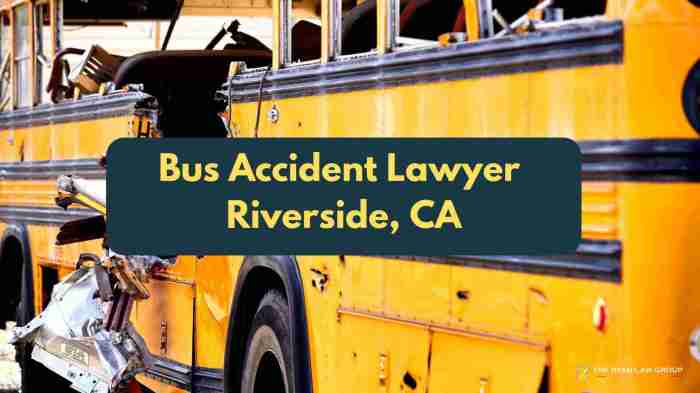
When it comes to filing a lawsuit for a commercial bus accident, several crucial steps need to be followed to ensure a successful legal claim. From gathering evidence to presenting the case in court, each stage plays a vital role in seeking justice and compensation for the damages incurred.
Steps Involved in Filing a Lawsuit
- Consultation with a Commercial Bus Accident Lawyer: The first step is to seek legal advice from a specialized attorney who can assess the case’s merits and guide you through the legal process.
- Evidence Collection: Gathering evidence such as accident reports, witness statements, medical records, and photographs is essential to build a strong case.
- Filing the Complaint: The lawyer will draft and file a formal complaint with the court, outlining the details of the accident, injuries sustained, and the damages claimed.
- Discovery Phase: Both parties exchange information and evidence through depositions, interrogatories, and document requests to prepare for trial.
- Negotiation or Trial: Depending on the circumstances, the case may proceed to negotiation for a settlement or trial in court for a judgment.
Evidence Required to Support a Commercial Bus Accident Claim
- Accident Reports: Official reports filed by law enforcement at the scene of the accident.
- Witness Statements: Testimonies from individuals who witnessed the accident firsthand.
- Medical Records: Documentation of injuries sustained and medical treatment received as a result of the accident.
- Photographs/Videos: Visual evidence of the accident scene, damages, and injuries.
- Expert Opinions: Testimony from accident reconstruction experts or medical professionals to support the case.
Potential Outcomes of a Lawsuit Related to a Commercial Bus Accident
- Settlement: The case may be resolved through a negotiated settlement between the parties, resulting in compensation for the victim.
- Judgment: If the case goes to trial, the court will render a judgment based on the evidence presented and legal arguments made by both sides.
- Appeal: Either party may choose to appeal the court’s decision if they believe there was a legal error or misconduct during the trial.
End of Discussion
In conclusion, the complexities of commercial bus accidents necessitate expert legal guidance. By enlisting the services of a seasoned commercial bus accident lawyer, individuals can navigate the legal terrain with confidence, seeking rightful compensation and closure in the aftermath of such incidents.
Question & Answer Hub
What should I do immediately after being involved in a commercial bus accident?
Seek medical attention first, then contact a commercial bus accident lawyer to guide you through the legal process.
How do I determine if I have a valid claim for a commercial bus accident?
A commercial bus accident lawyer can assess the details of your case and advise you on the viability of your claim.
What compensation can I seek in a commercial bus accident lawsuit?
You may be eligible to receive compensation for medical expenses, lost wages, pain and suffering, and other damages resulting from the accident.