Starting with the topic of Motorcycle Wreck Lawyer: Overcoming “Biker Bias” in Personal Injury Litigation, this discussion offers a unique insight into the challenges faced by legal professionals in representing bikers.
Exploring the nuances of biker bias and its impact on legal cases, this article delves into strategies and approaches used to combat such prejudice effectively.
Introduction to Biker Bias in Personal Injury Litigation
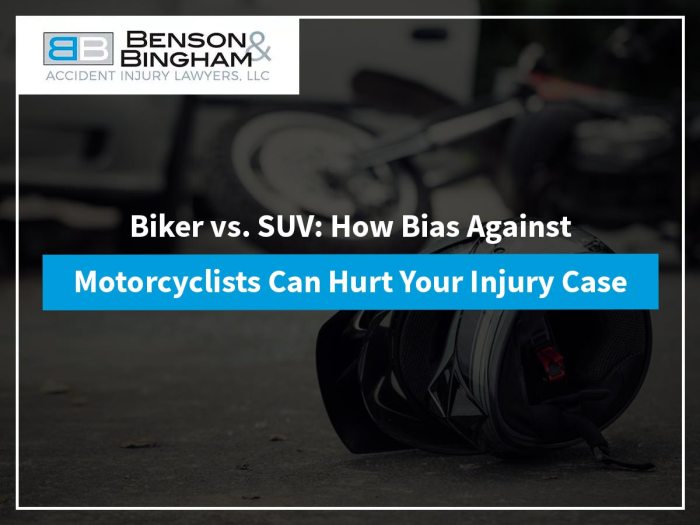
When it comes to personal injury cases involving motorcycle accidents, “biker bias” refers to the negative stereotypes and prejudices that some people may have towards motorcyclists. This bias can often manifest in legal proceedings and impact the outcome of the case.
Examples of Biker Bias Impacting Legal Proceedings
- Assumptions of fault: There is a common misconception that motorcyclists are reckless and often at fault in accidents, leading to unfair blame being placed on them.
- Insurance disputes: Insurance companies may be more reluctant to offer fair settlements to motorcyclists due to biases against them, resulting in unjust compensation.
- Jury perceptions: Jurors may be swayed by negative stereotypes of bikers, affecting their judgment and potentially influencing the verdict in a case.
Challenges Faced by Motorcycle Wreck Lawyers in Overcoming Biker Bias
Motorcycle wreck lawyers encounter various challenges when trying to overcome biker bias in personal injury litigation. Some of these challenges include:
- Building a strong case: Lawyers must work harder to gather evidence and present a compelling argument to counteract the biases that may exist against their biker clients.
- Navigating preconceived notions: Overcoming jurors’ preconceived notions about motorcyclists can be a significant hurdle in ensuring a fair trial for their clients.
- Fighting against unfair treatment: Lawyers may face an uphill battle in negotiations and court proceedings to ensure that their clients receive fair treatment and compensation.
Understanding the Legal Landscape for Motorcycle Wreck Cases
When it comes to personal injury litigation for motorcycle accidents, there is a typical process that unfolds to determine liability and seek compensation for the injured party. This process involves various legal steps and considerations unique to motorcycle wreck cases.
Key Factors in Motorcycle Wreck Cases
- Visibility and Perception: One key factor that sets motorcycle wreck cases apart is the issue of visibility. Motorcycles are smaller and less visible than other vehicles, making them more susceptible to accidents caused by drivers who fail to see them on the road.
- Vulnerability of Riders: Motorcyclists are more exposed and vulnerable to serious injuries in accidents compared to occupants of cars or trucks. This heightened risk of severe injury or fatality can impact the damages sought in personal injury claims.
- Prejudice and Bias: Unfortunately, there are common misconceptions and stereotypes surrounding bikers that can influence legal outcomes in personal injury cases. This bias can lead to unfair treatment or assumptions about fault in accidents involving motorcycles.
Strategies for Overcoming Biker Bias in Court
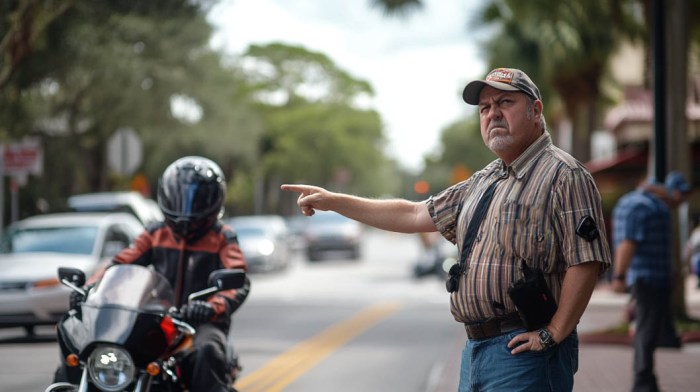
When facing biker bias in court as a motorcycle wreck lawyer, it is crucial to employ specific strategies to address and counter these prejudices effectively. Building a strong case with compelling evidence is key to combating bias and ensuring a fair outcome for your client.
Utilizing Expert Witnesses
One successful approach to overcoming biker bias is by utilizing expert witnesses in motorcycle wreck cases. These professionals can provide valuable insights and technical expertise to educate the jury about the intricacies of motorcycle accidents, debunking common misconceptions and stereotypes.
Gathering Comprehensive Evidence
Another effective tactic is to gather comprehensive evidence to support your case. This can include accident reconstruction reports, medical records, witness testimonies, and any other relevant documentation that strengthens your argument and refutes biased assumptions.
Humanizing the Client
Humanizing your client and presenting their story in a compelling and empathetic manner can also help overcome biker bias. By showcasing the personal impact of the accident and highlighting the client’s struggles and challenges, you can create a more relatable narrative that resonates with the jury.
Advocating for Fair Treatment of Bikers in Personal Injury Cases
It is crucial to advocate for fair treatment of bikers within the legal system to ensure justice and equality for all individuals involved in personal injury cases.
Role of Motorcycle Wreck Lawyers in Promoting Equality
Motorcycle wreck lawyers play a vital role in promoting equality and justice for their clients by representing bikers who have been unfairly treated or discriminated against in personal injury litigation.
Insights on Reducing Biker Bias in Personal Injury Litigation
- Challenge stereotypes: Motorcycle wreck lawyers can challenge negative stereotypes about bikers by presenting evidence and arguments that demonstrate the client’s responsibility and the negligence of the other party.
- Educate the jury: Legal professionals can educate the jury about the unique challenges faced by motorcyclists on the road and highlight the importance of treating bikers fairly in personal injury cases.
- Advocate for policy changes: By advocating for policy changes that address biker bias in the legal system, lawyers can work towards creating a more equitable environment for bikers seeking justice.
Final Summary
In conclusion, the importance of fair treatment for bikers in personal injury cases is emphasized, highlighting the role of motorcycle wreck lawyers in advocating for equality and justice within the legal system.
FAQ Section
What is biker bias in personal injury cases?
Biker bias refers to the prejudice or negative stereotypes that can affect legal proceedings involving motorcyclists, often leading to unfair treatment or outcomes.
How can motorcycle wreck lawyers counter biker bias in court?
Lawyers can address biker bias by presenting strong evidence, challenging misconceptions, and utilizing effective tactics to ensure fair treatment for their biker clients.
What are some misconceptions that affect legal outcomes for bikers?
Common misconceptions include the belief that bikers are reckless or at fault by default in accidents, which can influence jury decisions and settlements.