
Exploring the world of lithium-ion batteries and the legal implications surrounding them, this article delves into the complexities of product liability cases in Boston. From understanding the composition of these batteries to the potential hazards they pose, readers will gain valuable insights into the importance of seeking legal recourse in cases of exploding lithium-ion batteries.
Overview of Lithium-Ion Batteries

Lithium-ion batteries are a type of rechargeable battery commonly used in various electronic devices due to their high energy density and long lifespan. These batteries are composed of a lithium metal oxide cathode, a graphite anode, and an electrolyte solution.
Composition of Lithium-Ion Batteries
Lithium-ion batteries consist of a lithium metal oxide cathode (such as lithium cobalt oxide or lithium iron phosphate), a graphite anode, and an electrolyte solution (typically a lithium salt dissolved in a solvent). The separator between the cathode and anode prevents short circuits.
Common Applications of Lithium-Ion Batteries
Lithium-ion batteries are widely used in smartphones, laptops, tablets, electric vehicles, and power tools due to their high energy density and lightweight nature. They are also utilized in renewable energy storage systems and medical devices.
Potential Hazards Associated with Lithium-Ion Batteries
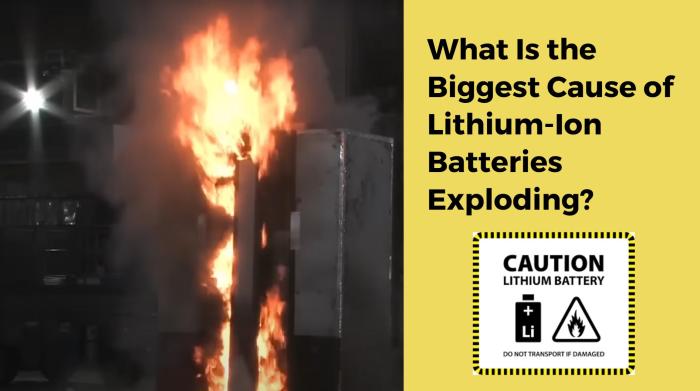
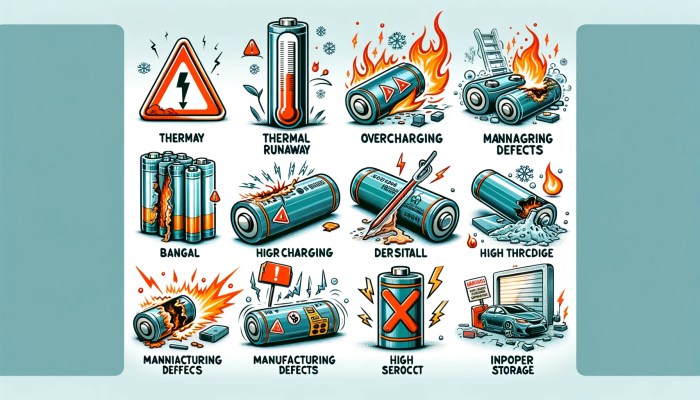
Despite their advantages, lithium-ion batteries pose certain risks, including overheating, short circuits, and thermal runaway. Improper charging, physical damage, or manufacturing defects can lead to the battery catching fire or exploding. It is crucial to handle and store lithium-ion batteries properly to prevent accidents.
Product Liability Laws in Boston
Product liability laws in Boston are designed to hold manufacturers accountable for the safety of their products and protect consumers from any harm or injury caused by defective products. These laws establish the legal responsibilities of manufacturers to ensure that their products meet certain safety standards and do not pose any unreasonable risks to consumers.
Key Components of Product Liability Laws
- Strict Liability: Manufacturers can be held liable for injuries caused by their products, even if they were not negligent in producing or designing the product.
- Negligence: Consumers can also file claims based on negligence if they can prove that the manufacturer failed to exercise reasonable care in ensuring the safety of the product.
- Breach of Warranty: Consumers can file claims if the product fails to meet the implied or express warranties provided by the manufacturer.
How Product Liability Laws Protect Consumers
- Ensuring Safety: Product liability laws ensure that manufacturers prioritize the safety of their products to prevent any harm to consumers.
- Legal Recourse: Consumers have the right to seek compensation for any injuries or damages caused by defective products through product liability claims.
Legal Responsibilities of Manufacturers
- Designing Safe Products: Manufacturers are responsible for designing products that are safe for their intended use and free from defects.
- Providing Adequate Warnings: Manufacturers must provide clear warnings about any potential risks associated with the use of their products.
- Recalling Defective Products: If a product is found to be defective, manufacturers have a legal obligation to recall the product and take appropriate corrective actions.
Filing Claims for Exploding Batteries
When filing a claim for a product liability case involving exploding lithium-ion batteries, it is crucial to follow a specific process to ensure the best chances of success. This process involves proving liability and seeking compensation for damages incurred due to the faulty product.
Process of Filing a Claim
- Gather Evidence: Collect all relevant information such as purchase receipts, medical records (if any injuries occurred), photos of the damage caused by the exploding battery, and any communication with the manufacturer or seller.
- Contact a Product Liability Lawyer: It is advisable to seek legal representation from a product liability lawyer who has experience in handling similar cases. They can guide you through the process and ensure your rights are protected.
- Filing the Claim: Your lawyer will help you draft and file the necessary legal documents to initiate the product liability claim against the responsible party/parties.
- Negotiation or Litigation: Depending on the response from the other party, your lawyer will either engage in negotiations to reach a settlement or proceed with litigation to pursue compensation through the court system.
Proving Liability in a Product Liability Case
- Evidence of Defect: The key to proving liability in a product liability case is to establish that the lithium-ion battery was defective and that this defect directly caused the explosion.
- Manufacturer’s Negligence: Demonstrating that the manufacturer was negligent in the design, production, or warnings associated with the battery can also help prove liability.
- Strict Product Liability: In some cases, Massachusetts laws allow for strict product liability, holding manufacturers responsible for any defects in their products regardless of negligence.
Role of a Product Liability Lawyer
- Legal Expertise: A product liability lawyer specializes in handling cases related to defective products and can provide you with the necessary legal guidance throughout the claims process.
- Investigation: Your lawyer will conduct a thorough investigation to gather evidence, consult with experts if needed, and build a strong case to prove liability.
- Negotiation Skills: If a settlement is possible, your lawyer will negotiate on your behalf to ensure you receive fair compensation for the damages suffered due to the exploding lithium-ion battery.
Compensation and Remedies
When it comes to product liability cases involving exploding lithium-ion batteries, victims may be entitled to various types of compensation to help them recover from their injuries and damages. These compensation packages are designed to provide financial support and help the victims get back on their feet after such a traumatic experience.
Types of Compensation
- Medical Expenses: Victims can seek compensation for all medical expenses related to treating injuries caused by the exploding lithium-ion battery.
- Lost Wages: If the victim had to miss work due to their injuries, they can claim compensation for lost wages and any future earnings they may have lost.
- Pain and Suffering: Victims can seek compensation for the physical pain and emotional distress they endured as a result of the incident.
- Property Damage: If the explosion caused damage to personal property, victims can claim compensation to repair or replace the damaged items.
Remedies for Victims
- Medical Treatment: Victims are entitled to receive necessary medical treatment to help them recover from their injuries caused by the exploding lithium-ion battery.
- Product Replacement: In some cases, victims may be eligible to receive a replacement product or compensation to purchase a new one.
- Reimbursement: Victims can seek reimbursement for any expenses incurred as a result of the incident, such as medical bills, property damage, or lost wages.
Settlements in Product Liability Cases
In product liability cases, settlements are often reached through negotiations between the parties involved. This typically involves the victim’s legal representation and the manufacturer or distributor of the product. Settlements can include a combination of financial compensation, product replacement, and other remedies to adequately address the victim’s damages and injuries.
Concluding Remarks
In conclusion, navigating the realm of product liability law in Boston requires a keen understanding of the legal landscape surrounding exploding lithium-ion batteries. By seeking the expertise of a product liability lawyer, individuals can ensure their rights are protected and seek appropriate compensation for any damages incurred.
Commonly Asked Questions
What steps should I take if my lithium-ion battery explodes?
In the event of a battery explosion, it is crucial to seek medical attention immediately and preserve the evidence. Contact a product liability lawyer to understand your legal options.
How can I prove liability in a product liability case?
To prove liability, you need to establish that the product was defective and that this defect caused the injury. This often requires expert testimony and thorough documentation.
What types of compensation can I receive in a product liability case?
Compensation in product liability cases can include medical expenses, lost wages, pain and suffering, and punitive damages in some cases.