Delving into Warehouse Injury Lawyer: Investigating Forklift and Loading Dock Accidents, this introduction immerses readers in a unique and compelling narrative, with a casual formal language style that is both engaging and thought-provoking from the very first sentence.
Exploring the crucial role of warehouse injury lawyers in handling forklift and loading dock accidents, this overview sets the stage for a detailed examination of common warehouse incidents and the legal implications involved.
Introduction to Warehouse Injury Lawyer
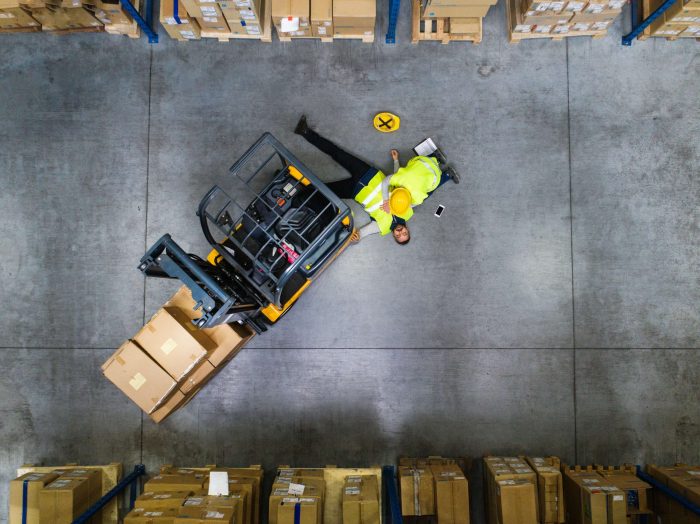
Warehouse injury lawyers play a crucial role in representing individuals who have been injured in accidents that occur in warehouses, particularly those involving forklifts and loading docks. These lawyers specialize in handling cases related to workplace injuries and ensuring that their clients receive the compensation they deserve.
Warehouse injury lawyers are essential for handling forklift and loading dock accidents cases due to their expertise in navigating the complexities of workplace injury laws. They are well-versed in the regulations and safety standards that apply to warehouses, making them equipped to advocate for their clients effectively.
Common Types of Warehouse Accidents
- Forklift Accidents: Warehouse injury lawyers frequently deal with cases involving forklifts, which can result in serious injuries due to the heavy machinery involved.
- Loading Dock Accidents: Accidents at loading docks, such as slip and falls or being struck by moving vehicles, are also common cases that warehouse injury lawyers handle.
- Falling Objects: Warehouse workers are at risk of being injured by falling objects, and warehouse injury lawyers help these individuals seek compensation for their injuries.
Forklift Accidents
Forklift accidents in warehouses are a common occurrence that can result in serious injuries and legal implications. Understanding the causes, potential injuries, and legal responsibilities involved in forklift accidents is crucial for preventing such incidents and ensuring proper handling when they do occur.
Common Causes of Forklift Accidents
- Operator error, such as speeding, improper turning, or not following safety protocols.
- Lack of proper training for forklift operators.
- Unsafe work environment, such as cluttered aisles, poor lighting, or lack of signage.
- Mechanical failure of the forklift due to lack of maintenance.
Potential Injuries from Forklift Accidents
- Crush injuries from being caught between the forklift and another object.
- Broken bones and fractures from tipping over or collisions.
- Back and neck injuries from sudden stops or impacts.
- Head injuries from falling objects or overturning forklifts.
Legal Implications and Responsibilities in Forklift Accident Cases
- Employers are responsible for providing proper training and safety equipment to forklift operators.
- Employees injured in forklift accidents may be entitled to workers’ compensation benefits.
- Employers can be held liable for negligence if they fail to maintain a safe work environment or properly inspect and maintain forklifts.
- Legal action can be taken against third parties, such as manufacturers or maintenance companies, in case of defective forklifts or parts.
Loading Dock Accidents
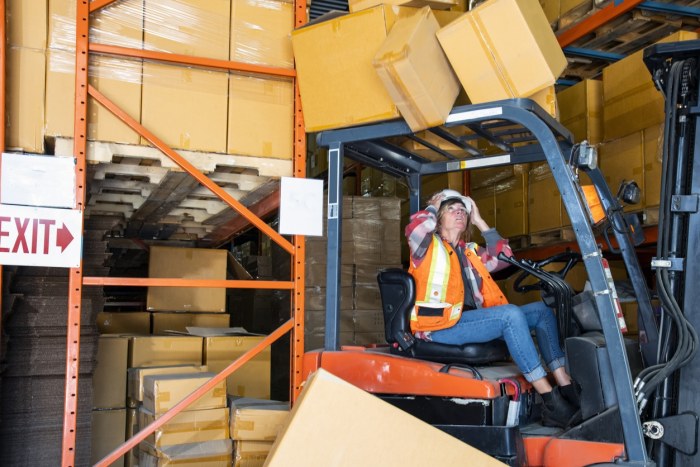
When it comes to warehouse operations, loading docks are crucial areas where accidents can occur. The high traffic of forklifts, workers, and heavy loads poses significant risks if safety protocols are not strictly followed.
Risks Associated with Loading Dock Operations
One of the main risks in loading dock operations is the potential for forklift accidents. Forklifts are often used to transport heavy loads to and from trucks, increasing the likelihood of collisions, tip-overs, and pedestrian accidents. Inadequate training, poor visibility, and lack of proper safety equipment can contribute to these incidents.
Statistics on Loading Dock Accidents in Warehouses
- According to the Occupational Safety and Health Administration (OSHA), over 100,000 forklift accidents occur each year in the United States.
- Approximately 20% of all forklift accidents involve a forklift striking a pedestrian.
- Loading dock accidents account for a significant portion of workplace injuries in warehouses, leading to lost productivity and costly medical expenses.
Liability Issues in Loading Dock Accident Cases
When a loading dock accident occurs, determining liability can be complex. Depending on the circumstances, liability may fall on the warehouse owner, the trucking company, the forklift operator, or a combination of parties. Factors such as negligence, lack of maintenance, and failure to provide a safe working environment can all play a role in assigning liability in loading dock accident cases.
Investigative Process
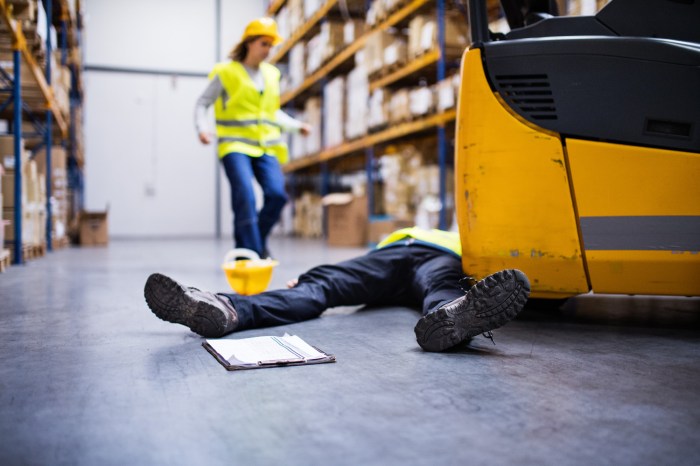
When it comes to warehouse injury cases involving forklift accidents or loading dock accidents, the investigative process is crucial in determining liability and seeking justice for the victims. Warehouse injury lawyers play a key role in investigating these incidents to gather evidence and build a strong case.
Investigating Forklift Accidents
- Warehouse injury lawyers will start by examining the scene of the forklift accident, looking for any signs of negligence or safety violations.
- Gathering maintenance records and inspection reports of the forklift involved to determine if proper protocols were followed.
- Interviewing witnesses who saw the accident occur to get a firsthand account of what happened.
- Consulting with accident reconstruction experts to analyze the cause of the accident and determine liability.
- Reviewing any surveillance footage or photographs of the incident for additional evidence.
Gathering Evidence for Loading Dock Accidents
- Warehouse injury lawyers will collect maintenance records of the loading dock equipment to check for any malfunctions or defects.
- Examining the loading dock area for any hazards or safety violations that may have contributed to the accident.
- Obtaining statements from workers who were present during the accident to understand the sequence of events.
- Reviewing any safety protocols or training procedures in place at the warehouse to determine if they were followed.
- Consulting with safety experts or engineers to evaluate the loading dock’s design and identify any potential risks.
Importance of Witness Statements and Expert Testimonies
- Witness statements provide crucial firsthand accounts of the accident, helping to establish the sequence of events and determine liability.
- Expert testimonies from accident reconstruction specialists or safety engineers can provide valuable insights into the cause of the accident and help support the legal argument.
- Combining witness statements and expert testimonies can strengthen the case and increase the chances of a successful outcome for the injured party.
Legal Remedies and Compensation
In cases of warehouse injuries involving forklift accidents or loading dock accidents, victims may seek legal remedies and compensation for their damages.
Potential Legal Remedies for Forklift Accidents
- Workers’ Compensation Benefits: Injured employees may be eligible for workers’ compensation benefits to cover medical expenses and lost wages.
- Third-Party Liability Claims: If a third party, such as a negligent equipment manufacturer or maintenance provider, contributed to the forklift accident, victims may pursue additional compensation through a personal injury lawsuit.
- OSHA Violations: If the forklift accident resulted from safety violations by the employer, victims may file a complaint with the Occupational Safety and Health Administration (OSHA) for investigation and potential penalties against the employer.
Types of Compensation in Loading Dock Accident Cases
- Medical Expenses: Victims of loading dock accidents may seek compensation for medical bills related to their injuries, including hospital stays, surgeries, rehabilitation, and ongoing treatment.
- Lost Wages: Compensation may be available for the wages lost due to the inability to work during recovery from loading dock injuries.
- Pain and Suffering: Victims may be entitled to compensation for physical pain, emotional distress, and diminished quality of life resulting from loading dock accidents.
Examples of Successful Outcomes in Warehouse Injury Cases
- A warehouse worker who suffered severe injuries in a forklift accident secured a substantial settlement through a third-party liability claim against the forklift manufacturer for defective equipment.
- An individual injured in a loading dock accident received compensation for medical expenses, lost wages, and pain and suffering after proving employer negligence in maintaining a safe work environment.
- In a case involving multiple warehouse employees injured in a loading dock collapse, a successful class-action lawsuit led to compensation for all affected workers for their injuries and financial losses.
Conclusion
In conclusion, Warehouse Injury Lawyer: Investigating Forklift and Loading Dock Accidents sheds light on the complexities of warehouse accidents and the essential role of legal professionals in seeking justice for victims. This comprehensive discussion emphasizes the importance of legal remedies, compensation, and a thorough investigative process in ensuring accountability and safety in warehouse settings.
Key Questions Answered
What are the common causes of forklift accidents in warehouses?
Forklift accidents in warehouses can be caused by factors like operator error, lack of proper training, mechanical failures, and poor workplace conditions.
What legal remedies are available to victims of forklift accidents?
Victims of forklift accidents may seek legal remedies such as compensation for medical expenses, lost wages, pain and suffering, and potential punitive damages against negligent parties.
How do warehouse injury lawyers investigate forklift accidents?
Warehouse injury lawyers conduct thorough investigations by gathering evidence, obtaining witness statements, analyzing accident reports, and consulting with experts to determine liability and build a strong case for their clients.