Kicking off with Oilfield Injury Lawyers in Texas: Navigating Heavy Equipment Accident Claims, this introductory paragraph aims to provide a captivating overview of the topic. From the role of oilfield injury lawyers to the legal process involved in handling heavy equipment accident claims, readers will delve into the complexities of seeking legal representation in Texas.
Introduction to Oilfield Injury Lawyers in Texas
Oilfield injury lawyers in Texas play a crucial role in representing individuals who have been injured in accidents involving heavy equipment in oilfields. These legal professionals specialize in navigating the complex legal process to help their clients receive the compensation they deserve.
Types of Accidents in Oilfields
- Vehicle accidents: Collisions involving trucks, ATVs, or other vehicles commonly used in oilfields.
- Machinery malfunctions: Accidents caused by defective or improperly maintained heavy equipment.
- Falls: Injuries resulting from slips, trips, or falls on oilfield sites.
Legal Process for Handling Heavy Equipment Accident Claims in Texas
When a heavy equipment accident occurs in an oilfield, the legal process typically involves the following steps:
- Investigation: Gathering evidence to determine the cause of the accident and identify responsible parties.
- Claim filing: Submitting a claim with the relevant insurance companies or pursuing a lawsuit in court.
- Negotiation: Negotiating a settlement with the insurance companies or presenting the case in court for a verdict.
- Compensation: Securing compensation for medical expenses, lost wages, pain and suffering, and other damages resulting from the accident.
Qualifications and Expertise
Oilfield injury lawyers in Texas must possess a unique set of qualifications and expertise to effectively handle heavy equipment accident claims in the oil and gas industry.
Key Qualifications for Oilfield Injury Lawyers
- Specialization in personal injury law, particularly in oilfield accidents
- Knowledge of state and federal laws governing the oil and gas industry
- Experience in handling complex litigation cases
- Strong negotiation and communication skills
Expertise in Navigating Heavy Equipment Accident Claims
Successfully navigating heavy equipment accident claims requires a deep understanding of the industry, safety regulations, and the technical aspects of the equipment involved. Oilfield injury lawyers must be able to:
- Conduct thorough investigations to determine liability
- Work with experts to analyze accident reconstruction and equipment failure
- Calculate damages, including medical expenses, lost wages, and pain and suffering
- Advocate for clients in negotiations and court proceedings
Benefits of Experience in Dealing with Oilfield Accidents
Having experience in handling oilfield accidents can greatly benefit legal representation in Texas. Lawyers who are familiar with the industry nuances and have a track record of success in similar cases can:
- Anticipate common challenges and defenses raised by the opposing party
- Build a strong case strategy based on past outcomes
- Provide clients with realistic expectations and guidance throughout the legal process
- Establish credibility with insurance companies, opposing counsel, and juries
Investigation and Evidence Collection
When it comes to heavy equipment accidents in oilfields, a thorough investigation is crucial to determine the cause of the accident and gather evidence to support any potential claims. This process involves collecting various types of evidence that can help establish liability and ensure that the injured party receives proper compensation.
Types of Evidence to Collect
- Gather witness statements: Eyewitness accounts can provide valuable information about what happened leading up to the accident.
- Document the scene: Take photographs of the accident site, equipment involved, and any relevant surroundings to preserve evidence.
- Review maintenance records: Examining maintenance logs can reveal whether the equipment was properly maintained and if negligence played a role in the accident.
- Consult experts: Bringing in experts such as accident reconstruction specialists can provide insight into how the accident occurred and who may be at fault.
- Collect medical records: Documenting the extent of injuries sustained in the accident is essential for calculating damages and pursuing a claim.
Challenges in Gathering Evidence
- Time constraints: In the fast-paced oilfield industry, evidence can quickly disappear or be altered, making it challenging to gather information after an accident.
- Complexity of equipment: Oilfield equipment is often intricate and specialized, requiring expertise to understand how it functions and what may have gone wrong.
- Multiple parties involved: Determining liability in oilfield accidents can be complicated, especially when multiple parties share responsibility for the accident.
- Lack of cooperation: Some parties may be reluctant to provide information or may attempt to obstruct the investigation, making it difficult to collect evidence.
- Regulatory issues: Compliance with industry regulations and standards can impact the investigation process, adding another layer of complexity to gathering evidence.
Legal Strategies and Case Studies
In the realm of heavy equipment accident claims in the oilfield industry, successful legal strategies play a crucial role in securing justice for injured workers. By examining case studies of oilfield injury lawsuits in Texas, we can gain valuable insights into the outcomes of such cases and their implications for future claims.
Successful Legal Strategies
- Thorough Investigation: Conducting a comprehensive investigation to gather evidence, witness statements, and expert opinions is essential in building a strong case.
- Expert Witnesses: Utilizing the expertise of qualified professionals, such as accident reconstruction specialists or medical professionals, can help strengthen the legal argument.
- Negotiation Skills: Skilled negotiation tactics can lead to favorable settlements for injured workers without the need for a lengthy court battle.
- Litigation: In cases where a fair settlement cannot be reached, aggressive litigation may be necessary to pursue maximum compensation for the injured party.
Case Studies of Oilfield Injury Lawsuits in Texas
- Case Study 1: A worker sustained severe injuries due to a crane malfunction in an oilfield. The legal team successfully proved negligence on the part of the equipment manufacturer, resulting in a substantial settlement for the injured party.
- Case Study 2: An oilfield worker was struck by a forklift on site, leading to serious injuries. Through meticulous investigation and expert testimony, the legal team demonstrated liability on the part of the employer, resulting in a favorable verdict for the injured worker.
These case studies highlight the importance of effective legal strategies in navigating heavy equipment accident claims in the oilfield industry.
Settlements and Compensation
When it comes to oilfield injury cases involving heavy equipment accidents, reaching a settlement is a crucial part of the legal process. This is where the victim can receive compensation for their injuries and losses. Let’s dive into how settlements are reached and the factors that influence the compensation awarded to victims.
Factors Influencing Compensation
- The severity of the injuries sustained by the victim plays a significant role in determining the compensation amount. More severe injuries that require extensive medical treatment and long-term care will result in higher compensation.
- Lost wages and future earning potential are also considered when calculating compensation. If the victim is unable to work or has diminished earning capacity due to the injuries, this will be factored into the settlement.
- Evidence gathered during the investigation, such as eyewitness testimonies, accident reports, and expert opinions, can impact the compensation amount. Strong evidence supporting the victim’s case can lead to a higher settlement.
- The insurance coverage and liability of the parties involved in the accident will also influence the compensation awarded. If multiple parties share fault for the accident, the compensation may be divided accordingly.
Negotiating Fair Settlements
- Having experienced oilfield injury lawyers on your side is crucial for negotiating fair settlements. These attorneys have a deep understanding of the legal process and can advocate for your rights effectively.
- Thorough preparation and presentation of evidence are essential during settlement negotiations. Providing compelling evidence of the damages suffered can strengthen your case and lead to a better settlement offer.
- Engaging in strategic negotiations with the insurance companies and defense attorneys can help in securing a fair compensation amount. Skilled negotiation tactics and legal expertise are key in reaching a satisfactory settlement for the victim.
Client Communication and Support
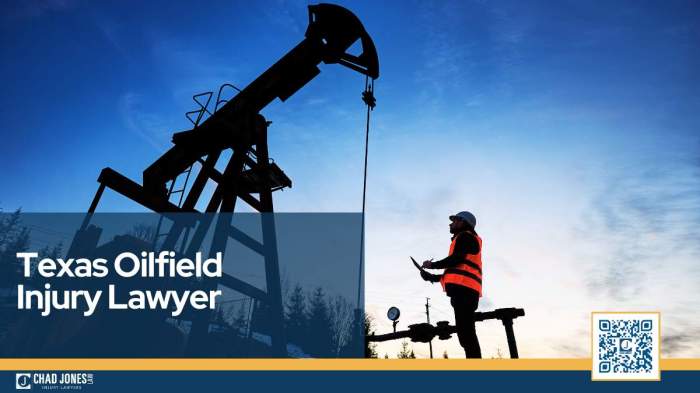
Effective communication and support are essential aspects of the client-lawyer relationship, especially in cases involving oilfield injuries in Texas. Clear and open communication ensures that clients are informed, involved, and supported throughout the legal process.
Importance of Clear Communication
Maintaining transparent communication with clients is crucial to building trust and ensuring that they understand the legal proceedings. By keeping clients informed about the progress of their cases, potential outcomes, and any challenges that may arise, lawyers can empower clients to make informed decisions.
- Regular Updates: Providing regular updates to clients about the status of their cases helps alleviate anxiety and uncertainty.
- Explaining Legal Jargon: Lawyers should explain legal terms and concepts in a way that is easy for clients to understand, avoiding confusion.
- Setting Realistic Expectations: Managing client expectations by discussing potential outcomes and timelines can prevent misunderstandings and frustrations.
Best Practices for Supporting Clients
Supporting clients through the legal process involves not only legal expertise but also empathy and understanding. Lawyers can implement the following best practices to ensure clients feel supported:
- Active Listening: Listening attentively to clients’ concerns and questions shows empathy and helps lawyers address their needs effectively.
- Timely Responses: Responding promptly to client inquiries and keeping lines of communication open demonstrate commitment and dedication to their cases.
- Providing Emotional Support: Recognizing the emotional impact of oilfield injuries and offering support beyond legal guidance can make a significant difference for clients.
Informed and Involved Clients
Empowering clients to actively participate in their cases fosters a sense of ownership and control. Lawyers can ensure clients are informed and involved by:
- Explaining Options: Presenting different legal strategies and options allows clients to make decisions based on their preferences and priorities.
- Encouraging Questions: Welcoming questions from clients and addressing their concerns promptly creates a collaborative atmosphere.
- Seeking Consent: Seeking client consent before taking significant steps or making decisions ensures that clients are part of the decision-making process.
End of Discussion
In conclusion, this discussion has shed light on the crucial aspects of navigating heavy equipment accident claims with oilfield injury lawyers in Texas. From investigating accidents to negotiating settlements, the journey of seeking justice for victims is intricately detailed.
Top FAQs
What qualifications should oilfield injury lawyers in Texas possess?
Oilfield injury lawyers in Texas should ideally possess experience in handling similar cases, knowledge of relevant laws, and a track record of successful outcomes.
How are settlements reached in oilfield injury cases?
Settlements in oilfield injury cases are typically reached through negotiations between the parties involved, taking into account factors like the severity of the injuries, liability, and potential compensation amounts.
What are the challenges involved in gathering evidence in oilfield injury cases?
Challenges in gathering evidence may include locating witnesses, obtaining relevant documentation, and dealing with companies that may be reluctant to provide information.