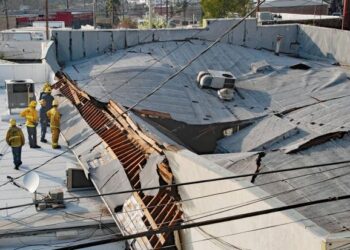
Exploring the realm of Trench Collapse Lawsuits: Proving OSHA Violations in Construction Injury Cases promises a journey filled with legal intricacies and real-world implications. Let’s delve into the complexities of construction injury cases and the pivotal role of OSHA violations in such lawsuits.
Detailing the scenarios, regulations, and evidentiary aspects, this discussion aims to shed light on a critical aspect of construction site safety and legal accountability.
Overview of Trench Collapse Lawsuits
Trench collapse lawsuits involve legal actions taken in the aftermath of construction site accidents where trenches cave in, leading to injuries or fatalities. These lawsuits are critical in holding responsible parties accountable for ensuring safe working conditions on construction sites.
Proving OSHA violations in trench collapse lawsuits is crucial as it establishes that safety regulations set by the Occupational Safety and Health Administration (OSHA) were not followed, resulting in the accident. This violation can help demonstrate negligence on the part of the construction company or individuals involved, making them liable for the damages caused.
Common Scenarios Leading to Trench Collapse Accidents
- Excavating without proper shoring or sloping: One of the most common causes of trench collapses is excavating without adequate shoring or sloping to prevent the walls from caving in.
- Failure to inspect trenches regularly: Neglecting to conduct regular inspections of trenches for stability and safety measures can increase the risk of collapses.
- Ignoring safety protocols: Disregarding safety protocols such as providing protective systems, training workers, and enforcing safety measures can contribute to trench collapse accidents.
- Extreme weather conditions: Heavy rain or sudden changes in weather can weaken trench walls, leading to collapses if proper precautions are not taken.
OSHA Regulations and Compliance

In the construction industry, OSHA regulations play a crucial role in ensuring the safety of workers, especially when it comes to trench excavation work.
Specific OSHA Regulations for Trench Excavation
- OSHA Standard 1926.650 sets specific requirements for excavation and trenching work.
- Excavations deeper than 5 feet must have a protective system in place, such as sloping, benching, shoring, or shielding.
- A competent person must inspect trenches daily and after any occurrence that could affect trench stability.
Examples of Safety Measures Required by OSHA
- Proper sloping or benching of trench walls to prevent collapses.
- Use of protective systems like shoring or shielding when excavating trenches deeper than 5 feet.
- Proper training for workers involved in trench excavation to recognize and avoid hazards.
Consequences of Non-Compliance with OSHA Regulations
- Failure to comply with OSHA regulations can result in serious injuries or fatalities due to trench collapses.
- Employers can face hefty fines and penalties for violating OSHA standards related to trench excavation.
- In construction injury cases, non-compliance with OSHA regulations can strengthen the legal arguments for negligence on the part of the employer.
Proving OSHA Violations in Court
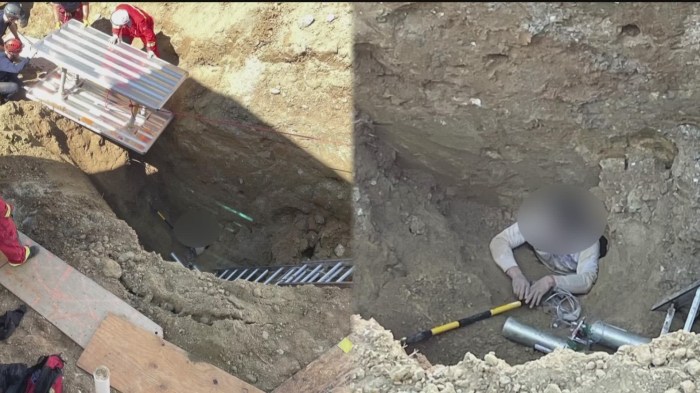
In construction injury cases involving trench collapses, proving OSHA violations in court is crucial to holding accountable those responsible for unsafe working conditions. This process requires a thorough collection of evidence and witness testimony to support the claims of violations.
Types of Evidence for Demonstrating OSHA Violations
- Documentation from OSHA inspections and reports: Any records of previous inspections or citations related to the construction site can be used as evidence of non-compliance with OSHA regulations.
- Photographic and video evidence: Visual documentation showing unsafe working conditions, lack of proper protective measures, or violations of specific OSHA standards can be powerful evidence in court.
- Expert testimony: Engaging experts in construction safety and OSHA regulations to provide testimony can help establish the significance of the violations and their impact on the safety of workers.
Gathering Documentation and Witness Testimony
- Subpoenaing OSHA records: Legal teams can request OSHA records related to the construction site, including inspection reports, citations, and communication between OSHA and the employer.
- Interviewing witnesses: Gathering testimonies from workers who were present at the site during the incident or who have knowledge of the safety practices can provide firsthand accounts of the violations.
- Consulting with safety experts: Collaborating with safety professionals who can evaluate the conditions at the site and provide expert opinions on OSHA compliance can strengthen the case.
Case Studies and Precedents
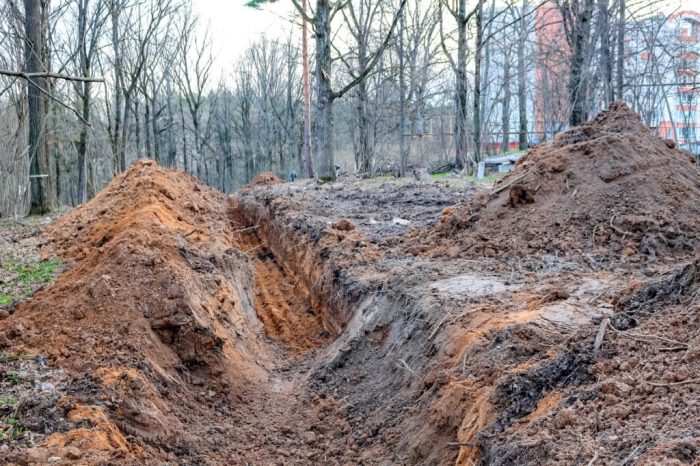
In the realm of trench collapse lawsuits, past cases serve as important markers in understanding how OSHA violations can impact legal outcomes. By examining notable examples, we can gain insights into how the legal landscape surrounding construction injury cases has been influenced and how precedent shapes future strategies.
Case Study 1: XYZ Construction Company vs. OSHA
- In this case, XYZ Construction Company was found liable for multiple OSHA violations related to trench safety protocols.
- As a result, the company faced significant fines and penalties for their non-compliance with OSHA regulations.
- The outcome of this case set a precedent for holding construction companies accountable for ensuring a safe work environment.
Case Study 2: ABC Builders Inc. vs. Injured Worker
- ABC Builders Inc. was taken to court by an injured worker who suffered serious injuries due to a trench collapse on the construction site.
- Through thorough investigation, it was proven that ABC Builders Inc. had failed to follow OSHA guidelines for trench safety.
- The court ruled in favor of the injured worker, highlighting the importance of OSHA compliance in preventing workplace accidents.
Impact on Legal Landscape
- These case studies have significantly influenced how construction injury cases are litigated and resolved.
- Courts now place a stronger emphasis on OSHA regulations and compliance, holding companies accountable for maintaining safe working conditions.
- Legal professionals use past cases as reference points to build stronger arguments and strategies in trench collapse lawsuits.
Role of Precedent
- Precedent plays a vital role in shaping the future of trench collapse lawsuit strategies.
- By analyzing past rulings and outcomes, attorneys can better understand how to navigate similar cases and leverage OSHA violations in court.
- Established precedents provide a framework for legal arguments and help ensure that justice is served in cases of construction site accidents.
Outcome Summary
As we conclude our exploration of Trench Collapse Lawsuits: Proving OSHA Violations in Construction Injury Cases, it becomes evident that the intersection of safety regulations and legal frameworks shapes the landscape of construction injury litigation. The pursuit of justice and prevention of future accidents remain at the forefront of legal strategies in this domain.
Question Bank
What is the significance of proving OSHA violations in trench collapse lawsuits?
Proving OSHA violations is crucial as it establishes liability and accountability for safety standards on construction sites.
How can evidence of OSHA violations be gathered for court cases?
Evidence can include inspection reports, witness testimonies, photographs, and documentation of safety protocol breaches.
What are the consequences of non-compliance with OSHA regulations in construction injury cases?
Non-compliance can lead to hefty fines, legal penalties, and reputational damage for construction companies.